International trade in counterfeit and pirated goods is now worth an estimated $467 billion per year, according to the OECD/EUIPO joint report Mapping Global Trade in Fakes 2025 (May 2025, on 2021 data). That figure represents 2.3% of world trade. The OECD/EUIPO figure covers international trade only: counterfeits produced and sold inside the same country, and digital piracy, sit outside its scope. Adding them back is a modelling exercise rather than a measurement, and the International Chamber of Commerce's estimate of the total economic impact, above $4.5 trillion, is a projection of that kind. Here's where things stand in 2026.
The Global Picture
Seizures only ever capture part of the flow. In 2024, EU customs and market-surveillance authorities detained 112 million counterfeit articles with an estimated value of €3.8 billion (European Commission, October 2025). What escapes customs and market surveillance reaches consumers with nothing to flag it.
Within the European Union, counterfeit imports are worth an estimated €99 billion, or 4.7% of EU imports from the rest of the world (OECD/EUIPO, Mapping Global Trade in Fakes 2025, on 2021 data). Globally, counterfeiting is responsible for an estimated 4.2 million lost jobs, €47 billion in uncollected taxes and duties, and a measurable suppression of R&D investment: companies heavily exposed to counterfeiting cut innovation spending by 8–14%, because the returns on investment are systematically eroded by copies.
The drivers are structural and intensifying: globalized supply chains with limited visibility, the explosion of cross-border e-commerce, increasingly sophisticated criminal networks, and manufacturing technologies (including 3D printing) that reduce the barriers to replication. Europol's 2025 Serious and Organised Crime Threat Assessment describes counterfeiting networks that own legitimate companies, including courier firms, and rely on professional logistics and financial structures.
Sectors Most Affected
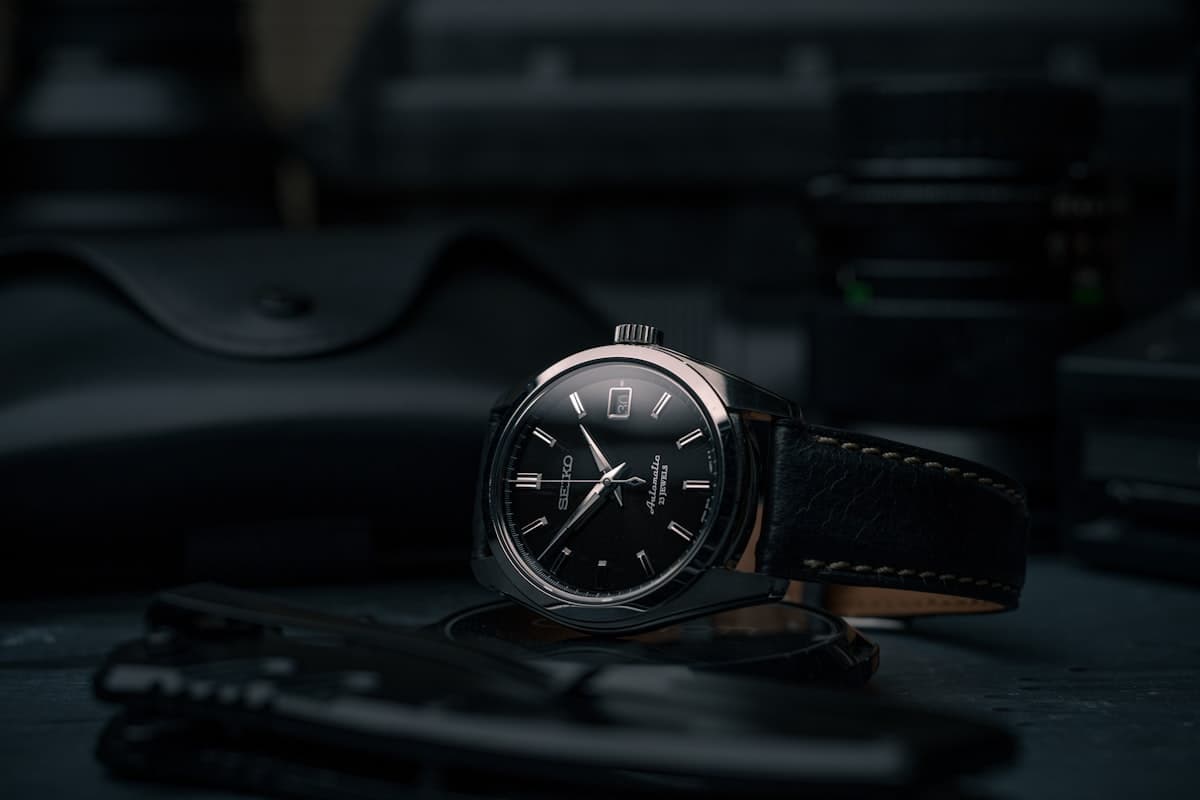
Fashion and luxury goods: 60%+ of seizures by value. This is the most targeted sector and it's not close. Leather goods, clothing, footwear, watches, and cosmetics collectively represent over 60% of the value of all international customs seizures (OECD/EUIPO). The illicit market in counterfeit luxury and fashion goods is estimated at $98 billion. Within this, leather goods account for 32% of seizures, clothing 22%, watches 18%, and perfumes and cosmetics 14%. The EUIPO estimates that luxury brands lose an average of 15% of potential revenue to counterfeiting each year.
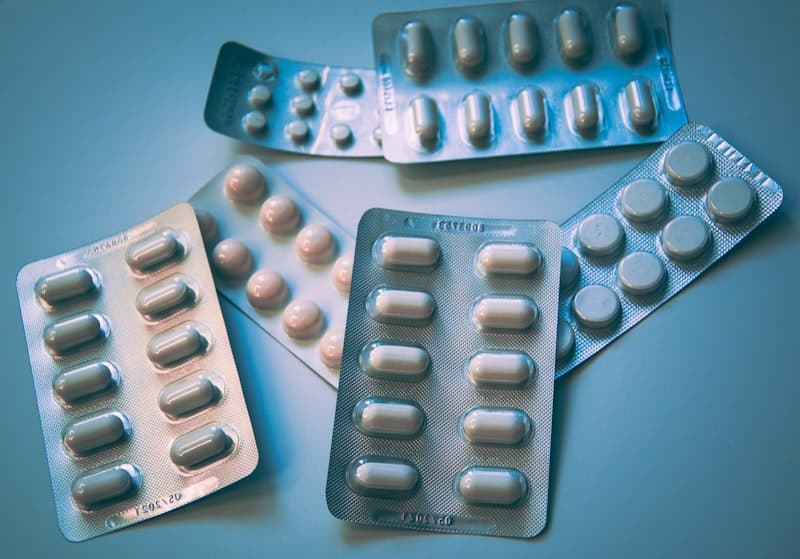
Pharmaceuticals: a lethal market. The WHO estimates that 10.5% of medical products circulating in low- and middle-income countries are substandard or falsified (WHO, 2017). What is at stake there is not only revenue: a sub-dosed antimalarial or antibiotic is visually indistinguishable from the genuine one, only testing separates them, and it fails at the moment the patient needs it.
Electronics: the fastest-growing segment. Counterfeit electronic components (semiconductors, capacitors, batteries, chargers) now represent 24% of global seizures by volume. Fake batteries and chargers cause thousands of fires and equipment failures annually.
The Rise of "Super Fakes"
Perhaps the most alarming trend of the past three years is the emergence of "super fakes", counterfeit products manufactured with such precision that even trained authentication experts sometimes cannot distinguish them from the genuine article. Super fakes of popular Hermès, Chanel, and Louis Vuitton models now replicate hand-stitching patterns, edge-painting consistency, hardware weight, and interior stamp accuracy. Some are reported to use genuine leather of a comparable grade, though we have no sourced account of where it comes from.
Authenticators report growing rates of uncertainty, cases where visual inspection alone cannot reach a confident verdict. A super fake Birkin costing $200 to produce sells for $1,500–$3,000 on secondary markets, to buyers who believe they're getting a genuine bag at a discount. The profit margins attract investment in ever-better manufacturing, creating an arms race that visual authentication methods are losing.
The implication is clear: authentication must move from sensory inspection to cryptographic proof. When the copy is indistinguishable from the original to the human eye, the only reliable verification is one that doesn't depend on sight at all.
The Marketplace Problem
E-commerce has become the primary distribution channel for counterfeits. Marketplaces, social media and messaging apps now carry much of the trade, and buyers are frequently deceived without ever realizing it.
Social commerce has been a particular accelerator. Counterfeiters exploit recommendation algorithms on Instagram, TikTok, and Pinterest to target consumers with polished advertisements for fake products. Livestream selling, popular in Asia, has become a channel of its own.
Even platforms investing heavily in anti-counterfeiting measures struggle to keep pace: new fraudulent listings are still created faster than AI-powered detection can remove them. The small parcel shift makes enforcement even harder: counterfeits increasingly travel as postal and express parcels rather than in container freight. Millions of small packages, with counterfeit goods hidden among legitimate orders, overwhelm inspection capacity.
The Impact on SME Luxury Brands
Large luxury conglomerates (LVMH, Kering, Richemont) have dedicated anti-counterfeiting teams, legal budgets in the tens of millions, and the scale to absorb losses while investing in technological countermeasures. Independent and emerging luxury brands do not.
For an SME luxury brand generating €5–50 million in annual revenue, counterfeiting is an existential threat, not just a line-item loss. The economics are brutal: legal enforcement in key source countries costs €50,000–200,000 per campaign with uncertain outcomes. Marketplace takedown requests require dedicated staff and legal resources. Every counterfeit sale doesn't just steal revenue, it degrades brand perception, because the buyer who receives a poor-quality fake associates that experience with the brand, not with the counterfeiter.
EUIPO research shows that SMEs are disproportionately affected: while large enterprises lose approximately 10% of revenue to counterfeiting, SMEs in exposed sectors lose up to 22%. For a brand investing in artisanal craftsmanship, premium materials, and brand building, watching that investment be systematically replicated is both economically damaging and emotionally devastating.
Technology-based authentication, embedding a cryptographic identity into each product at the point of manufacture, levels the playing field. SealTrust gives a 10-person atelier the same anti-counterfeiting protection as a global conglomerate, with none of the in-house infrastructure to build or run.
How Technology Is Fighting Back
The traditional tools (holograms, security labels, paper certificates, static QR codes) have failed to contain the problem. Each can be visually replicated with sufficient effort, and none provides a way for the end consumer to verify authenticity independently. The technological response has coalesced around three capabilities:
Cryptographic NFC (NTAG 424 DNA). Hardware-level authentication that generates a unique, encrypted response at every smartphone scan. The chip's AES-128 cryptographic engine, secure dynamic messaging protocol, and anti-replay counter make the chip clone-resistant. Unlike visual security features, cryptographic NFC cannot be defeated by better manufacturing, the security is mathematical, not material.
Blockchain. An immutable, decentralized ledger that records the complete provenance of each product, from manufacturing through every sale, resale, repair, and verification. No single actor can alter the record. The product's history is transparent, permanent, and publicly verifiable.
AI-powered detection. Machine learning models trained on authentic and counterfeit product data can flag suspicious marketplace listings, identify counterfeiting patterns in scan data, and support visual authentication for categories where physical inspection is still relevant. AI is a powerful complement to hardware authentication, though it cannot replace it, super fakes that fool human experts can also fool visual AI models.
The most effective approach combines all three. SealTrust delivers the first two in a single platform: cryptographic NFC binds the physical object to a clone-resistant identity, and product records are anchored publicly on Base.
Protect Your Products
Counterfeiting in 2026 is not a peripheral risk. It is a $467 billion global industry that is growing, professionalizing, and increasingly targeting online channels where enforcement is weakest. Super fakes have rendered visual authentication unreliable. The EU's Digital Product Passport will make verifiable product identity a legal requirement. And for SME luxury brands, the stakes are existential.
The organizations investing in strong, technology-based authentication today aren't just protecting revenue, they're building a durable competitive advantage rooted in verifiable trust.
Ready to protect your products? Contact SealTrust for a demo tailored to your brand and product categories. See how NFC + blockchain authentication works on a real product, in under two seconds.
Sources: OECD/EUIPO, "Mapping Global Trade in Fakes 2025" (May 2025, 2021 data); EUIPO, "2024 Status Report on IPR Infringement"; WHO, "A Study on the Public Health and Socioeconomic Impact of Substandard and Falsified Medical Products" (2017); Europol, SOCTA 2025; International Chamber of Commerce, Global Economic Impact of Counterfeiting and Piracy.