There's a term circulating in authentication circles that should worry every luxury brand executive: super fakes. These aren't the crude knockoffs sold from a blanket on a sidewalk. Super fakes are counterfeit products manufactured with such precision (using identical or near-identical materials, hardware, and stitching patterns) that even seasoned authentication professionals sometimes can't distinguish them from the genuine article. And their proliferation is accelerating.
What Makes a Super Fake "Super"
Traditional counterfeits cut corners. The leather is wrong, the zipper is a cheaper brand, the logo font is slightly off. A trained eye catches these discrepancies in seconds. Super fakes take a different approach. They're produced in facilities that have either reverse-engineered the original manufacturing process down to minute details or, in some cases, are using the same suppliers for materials and hardware.
Authenticators report that super fakes of popular models from the best-known houses now replicate authentic construction techniques including hand-stitching patterns, edge-painting consistency, and interior stamp accuracy. Some even use genuine leather sourced from the same tanneries. When the materials are real and the craftsmanship is competent, visual inspection hits its ceiling.
The economics make the problem worse. A super fake Birkin that cost $200 to produce sells for $1,500 to $3,000 on secondary markets, to buyers who believe they're getting a genuine bag at a discount. Margins that attractive draw investment in ever-better manufacturing techniques.
Why Visual Authentication Is Hitting Its Limits
For decades, luxury authentication relied on what amounts to pattern recognition by experts: checking stitching consistency, hardware weight, leather grain, date codes, serial numbers, and dozens of brand-specific tells. This worked when counterfeits were crude. Against super fakes, it's becoming unreliable.
Authentication services report growing rates of uncertainty, cases where experts can't reach a confident verdict without destructive testing (cutting into the material to examine cross-sections). Some services now decline to authenticate certain high-risk models altogether, acknowledging that their confidence level is too low. For resale platforms that process tens of thousands of items monthly, this uncertainty creates existential risk: every incorrect authentication damages trust.
Even AI-powered visual authentication has limitations. Machine learning models trained on photos of authentic and counterfeit items can detect known patterns, but they struggle against never-before-seen super fakes that don't match established defect profiles. The arms race between counterfeiters and visual detection is one that visual methods can't win permanently.
The Fundamental Problem: Verifying the Object vs. Verifying Its Identity
Here's the deeper issue. Every visual authentication method, human or machine, tries to answer the question: "Does this object look like it was made by the authentic manufacturer?" Against sufficiently good copies, that question becomes unanswerable.
The right question is different: "Does this specific object have a verifiable, unique, cryptographic identity linked to the manufacturer's records?" That shifts authentication from subjective assessment to mathematical certainty.
This is exactly what cryptographic NFC technology provides. A tag embedded in the product at the manufacturing stage generates a unique cryptographic response at every scan. It's not checking whether the stitching looks right, it's verifying a cryptographic response that can only be computed with the secret key written into that chip when it was personalised, and checking that the chip's read counter has moved forward since the last scan. No visual inspection required. No expert judgment needed. The authentication happens in under two seconds with a standard smartphone.
Blockchain Adds the Provenance Layer
Cryptographic NFC authenticates the physical tag. Blockchain authenticates the product's history. Together, they create a defense that super fakes simply cannot penetrate, because no amount of manufacturing precision can replicate a cryptographic key or a blockchain transaction history.
When a product is enrolled in SealTrust, its NFC tag is bound on chain to a token that commits two fingerprints: the tag identifier and a hash of the token's metadata URI, both frozen at mint. Ownership moves are recorded as on-chain ERC-721 transfers. The passport content itself lives off chain; where a brand publishes one, its hash is anchored on Base, which proves the content existed no later than that transaction and has not been altered since. A super fake might perfectly replicate the physical object, but it cannot replicate that record, because the on-chain entry cannot be rewritten and the tag's cryptographic key exists only once.
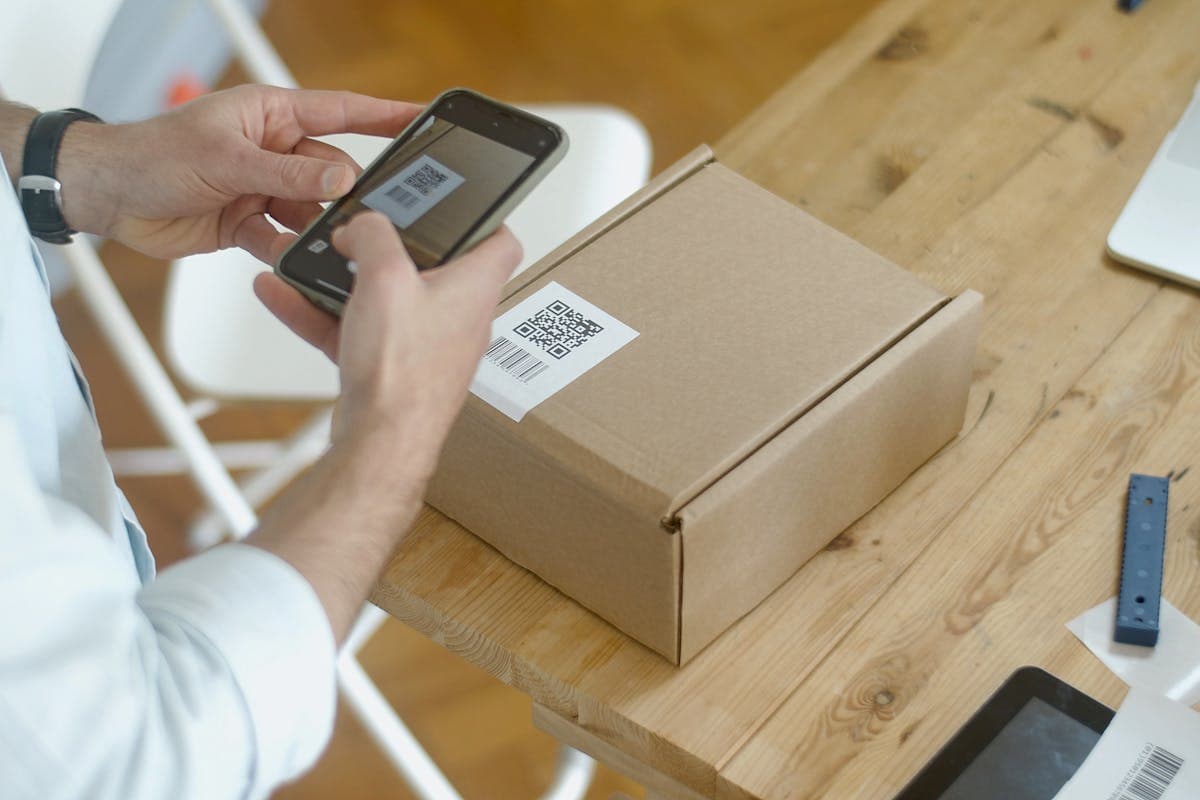
For the consumer, verification is simple: scan the product with your phone. If the tag responds with a valid cryptographic signature and the fingerprint recorded on chain matches the one the tag presents, the product is verified. Otherwise the result says so explicitly: invalid signature, item still being written to the chain, or tag already scanned. The verdict rests on a mathematical proof, not on a visual appraisal. No expertise required.
What This Means for Brands
Super fakes represent an inflection point. They make clear that authentication must move from sensory inspection to cryptographic proof. Brands that continue to rely on visual security features (holograms, special stitching, proprietary hardware) will find those features replicated with increasing fidelity. The only authentication markers that counterfeiters cannot copy are the ones rooted in mathematics: cryptographic keys that exist once and cannot be duplicated, and blockchain records that cannot be forged.
The transition doesn't have to be disruptive. NFC tags are embedded at the finishing stage, in a place the product already provides, with the tag format and its position chosen for the material. The consumer experience is simpler than any previous authentication method. And the data generated by scans (where products are verified, how often, by whom) provides intelligence that brands have never had access to before.
Super fakes are the strongest argument yet for making the leap. When counterfeits become invisible to the eye, the only reliable authentication is one that doesn't depend on sight at all.
Dealing with super fakes already? We can run a comparative test: scan a genuine tagged product and see how the cryptographic verification catches what visual inspection misses. Book a 30-minute session.