Product Identity
Every product deserves a verifiable identity.
The product identity and trust infrastructure: from anti-counterfeit authentication to DPP compliance, through to resale and second life.

Watch
SealTrust in 60 seconds
From manufacturing to resale: a verifiable, proven product identity.
GDPR CompliantEU DPP ReadyCryptographic NFCBlockchain SecuredAnti-Counterfeit
Five layers of trust, one platform.
Identity
Each product receives a unique digital identity, carried by a cryptographic NFC chip or a serialised QR code, and verifiable by anyone.
Proof
Cryptographic proofs, signed events, and immutable audit trails establish verifiable trust at every step.
Operations
Built for industrial reality: serialization, quality control, repair tracking, and resale workflows.
Compliance
Structured data ready for the EU Digital Product Passport, in a format that anticipates ESPR, whose obligation is switched on delegated act by delegated act (textiles expected around 2028). The battery passport comes from Regulation (EU) 2023/1542, from 18 February 2027.
Experience
The product becomes a post-sale channel: warranty, service, loyalty programs, authenticated resale. A direct link to the end customer, and the relationship data that stays with your brand.
Proof → Compliance → Relationship
Three layers, one identity: prove the product, meet the regulation, own the customer relationship.
Product Identity
Every product becomes a verifiable digital asset.
- A unique NFC-backed cryptographic identity linked to each physical item. Clone-resistant by design.
- An immutable digital certificate with full lifecycle traceability, from production to end consumer.
- One-tap verification for consumers, real-time monitoring for brands.
Authenticity
Certificate
Traceability
Consumer Scan
From integration to customer scan
- 1
Encoding
A cryptographic NFC tag is embedded into your product.
- 2
Certification
A digital certificate is created and recorded on the blockchain.
- 3
Verification
Your customers scan the product and verify its authenticity instantly.
Tailored to your industry

Leather Goods & Accessories
Authenticated craftsmanship, from atelier to resale.

Sneakers & streetwear
Authenticate every drop, from the factory line to the resale floor.

Ready-to-Wear & Couture
A verified identity sewn into every garment, from atelier to resale.
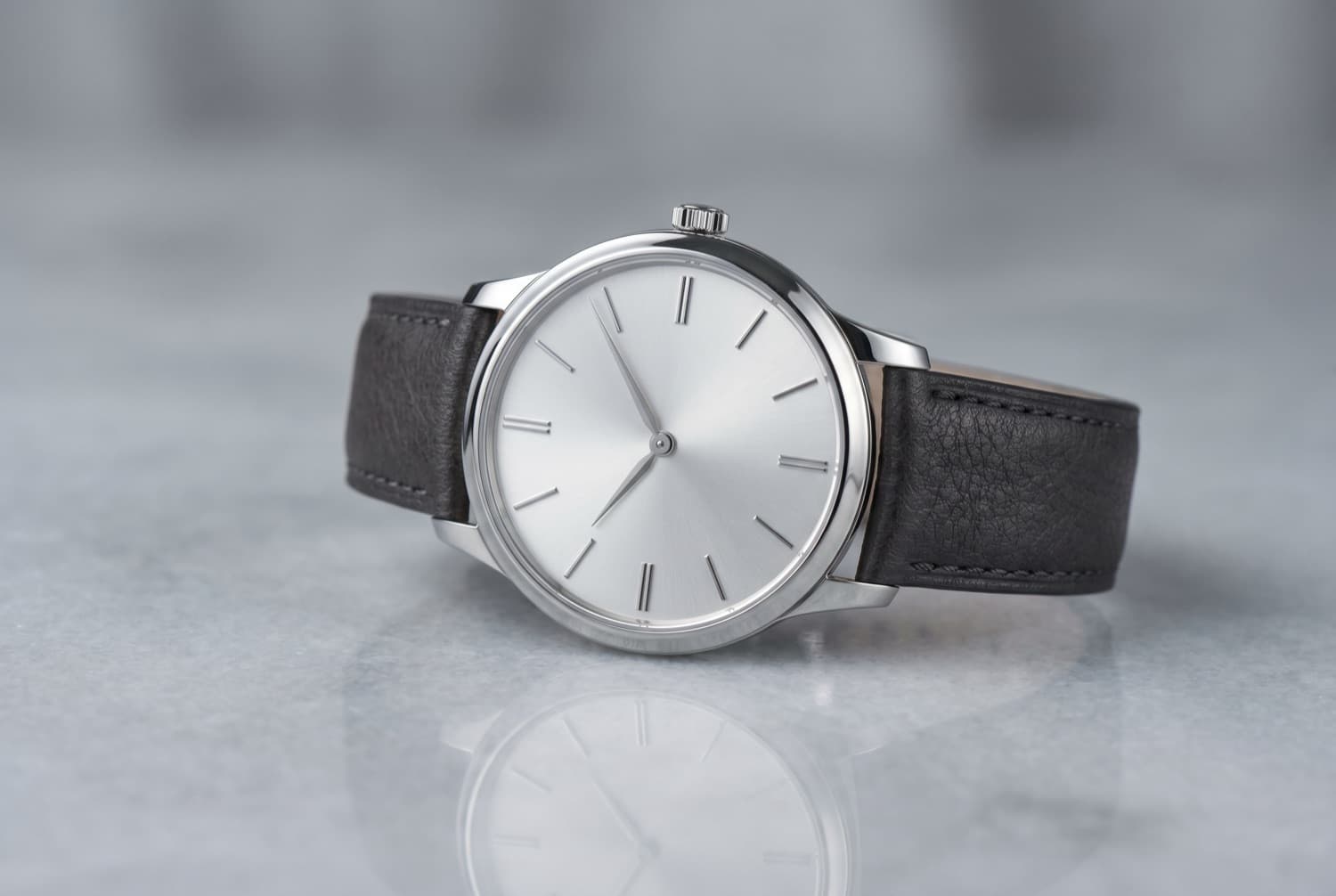
Watches & Jewelry
An unforgeable identity for every timepiece and precious object, from the workshop to the second-hand market.

Eyewear
Frame-level proof of authenticity, from the optician's counter to resale.

Cosmetics & Fragrance
Authenticity buyers can verify before the first spray.
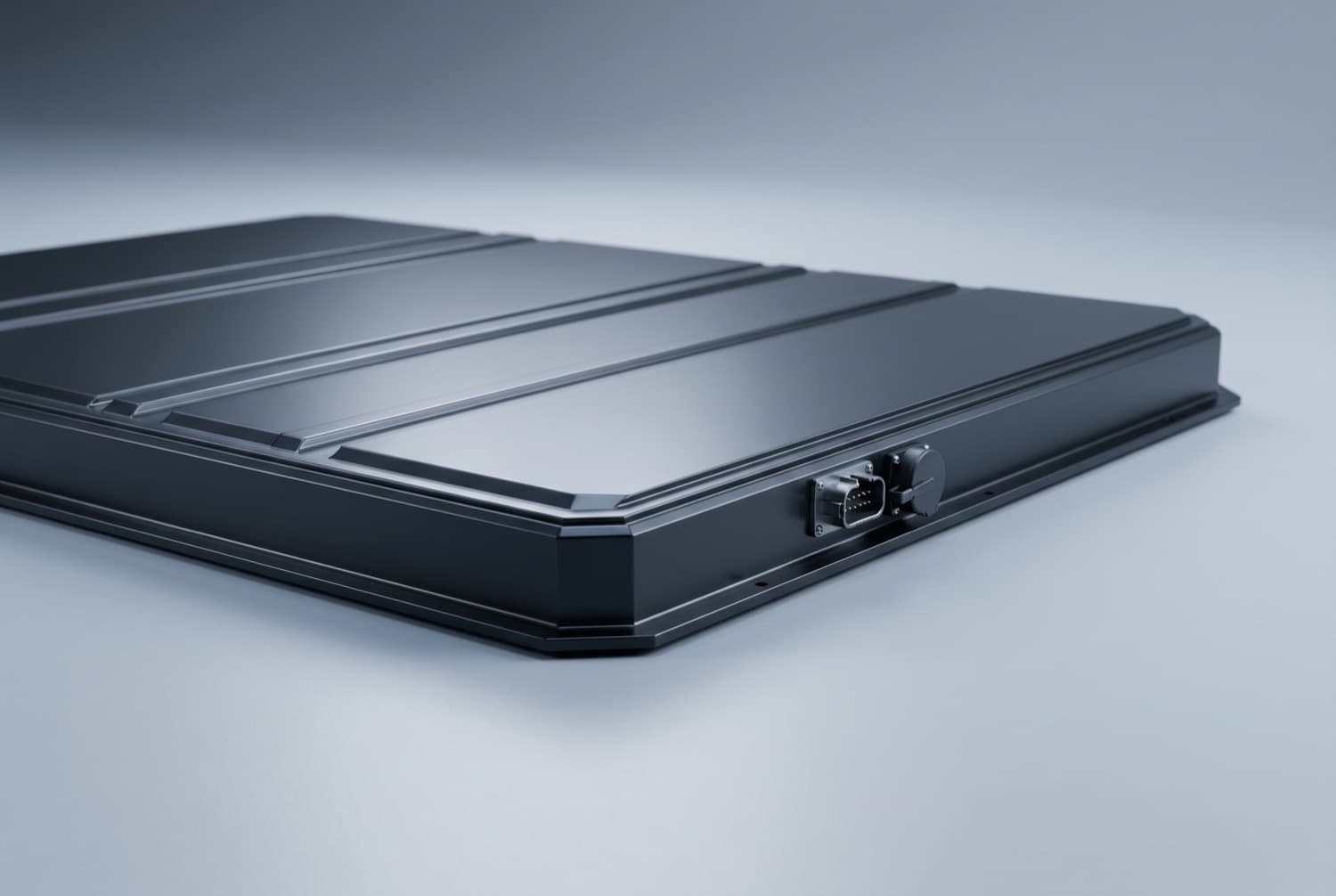
Batteries (EU DPP 2027)
A battery passport and a verifiable identity, from first charge to second life.

Home Appliances
Verified authenticity and a full service history for every appliance you ship.
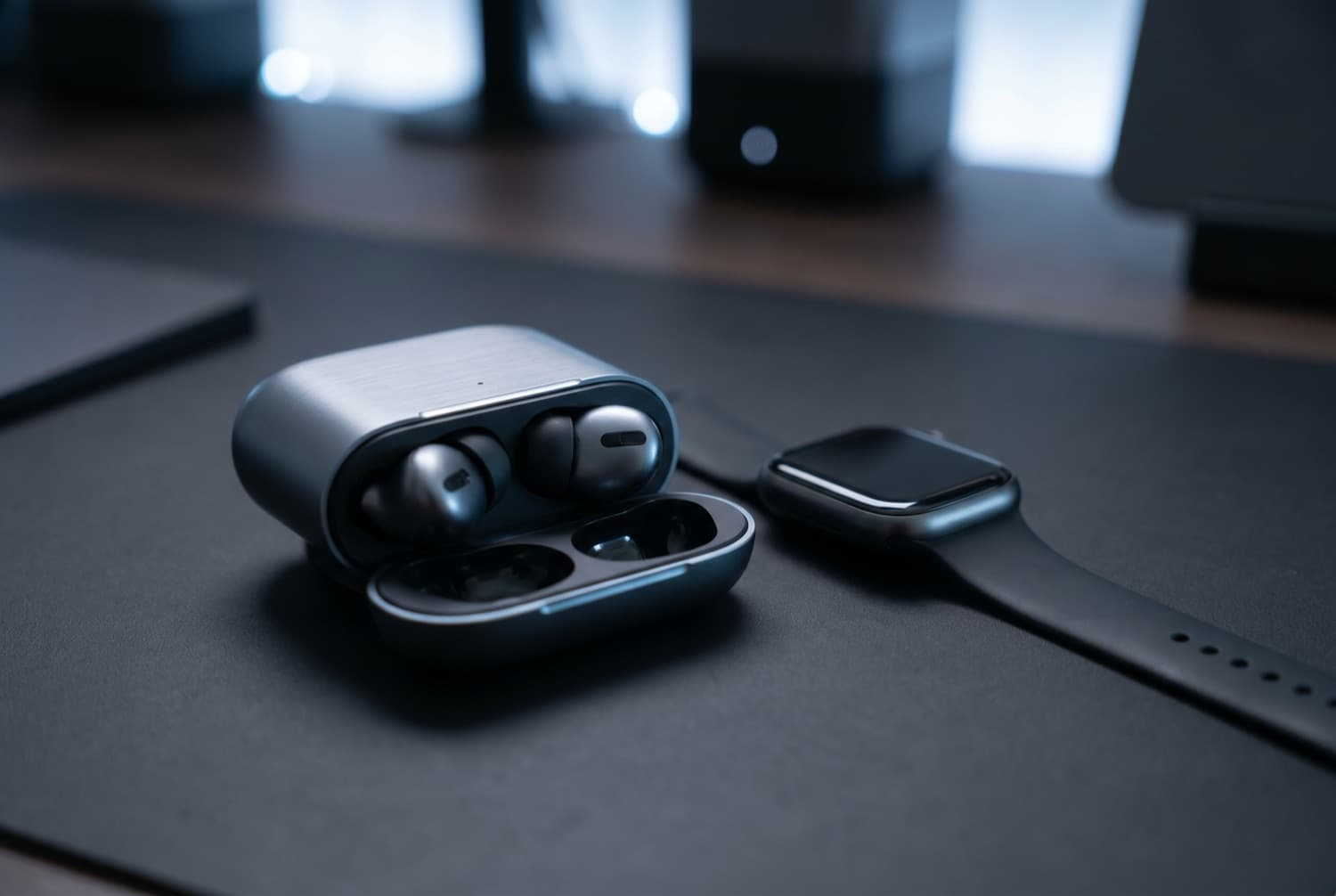
Consumer Electronics
Verified authenticity and a full product passport, from factory to resale.

E-scooters & Micromobility
Verified identity and a full lifecycle record for every scooter, e-bike and its battery.

Art & Collectibles
Provenance you can prove, value you can defend.

Furniture & home
Authenticate every piece and meet upcoming Digital Product Passport requirements.

Toys & Childcare
Verified authenticity and traceable safety for products made for children.
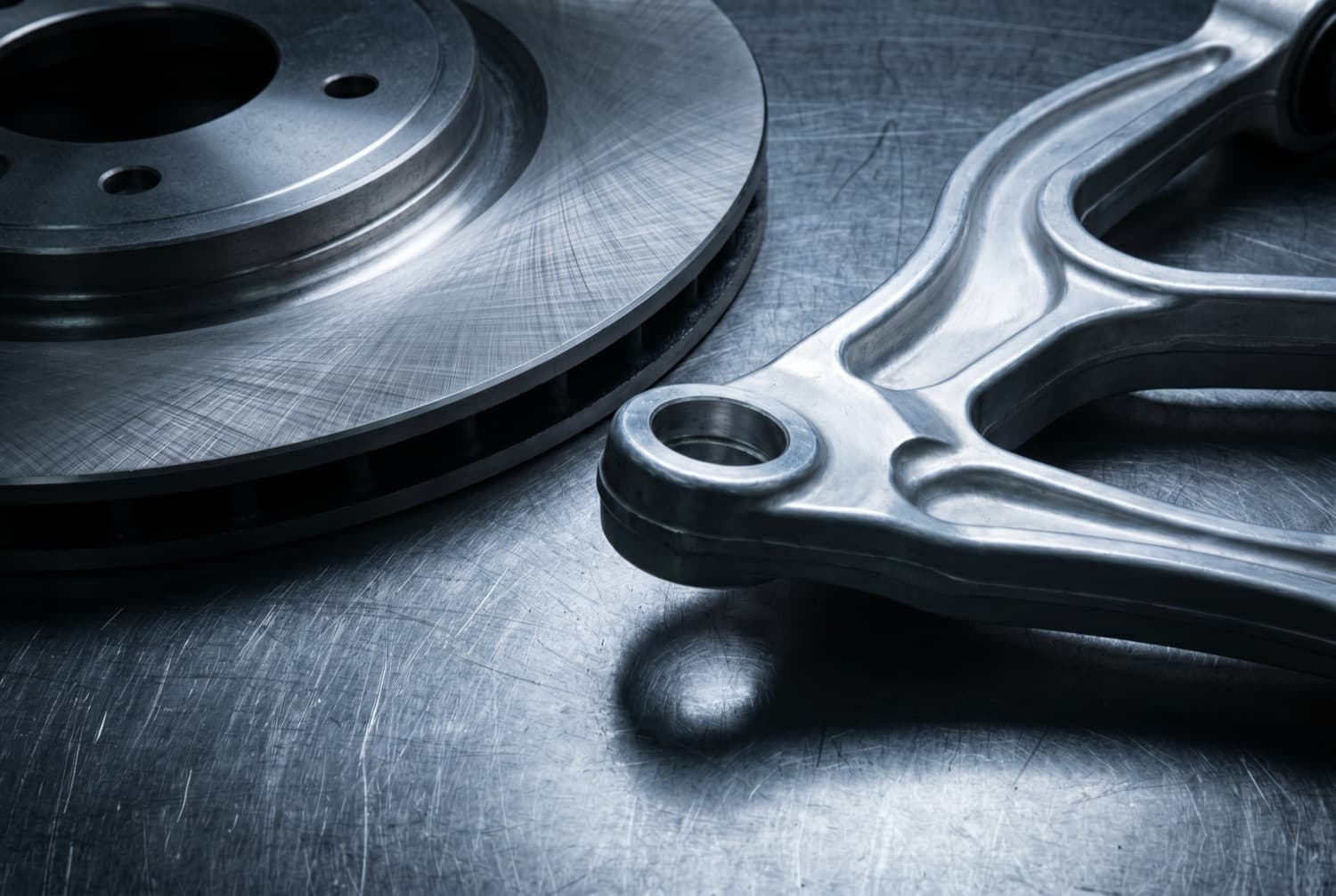
Automotive & spare parts
Authenticate safety-critical parts and trace every component across its life.
Circular economy
An identity that extends the product's life.
The same secure passport stays with the item after the first sale: verified resale, tracked servicing, compliance ready. The value stays attached to the product, and to your brand.
Verified resale
On resale, ownership passes from holder to holder and authenticity is re-checked on every scan. The second-hand market runs on proof, not on a photo.
Servicing and repairability
Repairs, overhauls and service events are recorded in the product's history. A documented, well-kept item lasts longer and resells better.
ESPR passport ready
Lifecycle data is structured in a format that anticipates ESPR, ready for the category-by-category rollout.
Built for compliance and scale
GDPR compliantEU DPP readyEU hostingEnterprise REST APIMulti-brandDedicated support
Free guide
DPP 2027: Is Your Brand Ready?
The EU Digital Product Passport is rolling out category by category: the battery passport is mandatory from February 2027, textiles expected around 2028. Download our free guide covering regulatory requirements, implementation checklists, and technology comparisons.
Download the free guide→
Ready to protect your products?
A conversation, a demo, and a trial account we open with you. Onboarding included.