Use cases
Protection tailored to your industry
Counterfeiting and traceability look different across products: leather goods, sneakers, watches, cosmetics… or batteries, appliances and electronics. SealTrust adapts the approach (tag placement, supply chain, buyer expectations) for both anti-counterfeiting AND the Digital Product Passport (DPP), via QR or NFC. And because owners reach the passport by scanning the product themselves, the relationship data stays on the brand side.
Circular economy
Circular economy & second-hand
The same identity that proves authenticity extends the product's life. It stays attached to the item after the first sale, in service of circularity and second-hand value.
Ownership transfer
On resale, ownership passes from holder to holder and authenticity is re-checked on every scan. The second-hand buyer buys on proof, and the brand keeps the link.
Servicing and repairability
The product keeps its service history: repairs, overhauls, lifecycle events. A documented, well-kept item is kept and resells better.
ESPR passport ready
Product data is structured in the European Digital Product Passport (ESPR) format, ready for the category-by-category rollout (batteries 2027, textiles around 2028).

01 · Luxury & fashion
Leather Goods & Accessories
Authenticated craftsmanship, from atelier to resale.
The challenge
Handbags, wallets, belts and small leather goods are among the most counterfeited luxury categories, with convincing replicas sold across grey markets and unauthorised online channels. Resale and returns fraud is acute: counterfeits are swapped for authentic items, and second-hand buyers struggle to confirm provenance. Brands also face mounting pressure to document material origin and supply chain steps from tannery to finished piece.
The SealTrust answer
SealTrust gives each item a unique cryptographic identity bound to a tamper-evident tag, with provenance and ownership anchored on-chain. A single scan confirms authenticity, shows the verified production and material history, and supports secure ownership transfer on resale. The same identity carries the product's Digital Product Passport across its full lifecycle.
- Instant, tamper-evident proof of authenticity for buyers and resale platforms
- Verified provenance and material traceability from tannery to finished good
- Secure ownership transfer that protects resale value and deters return fraud
Digital Product Passport
Leather goods fall under the EU ESPR framework as a priority textile and apparel-adjacent category, requiring a Digital Product Passport covering material composition, origin, durability and repair information. SealTrust binds the DPP to the item's secure identity so it stays accessible throughout ownership and resale.
Method: QR + NFCWhere : NFC chip discreetly embedded in the lining, leather tab or hardware; QR option on the heat-stamped care label or authenticity card.
02 · Luxury & fashion
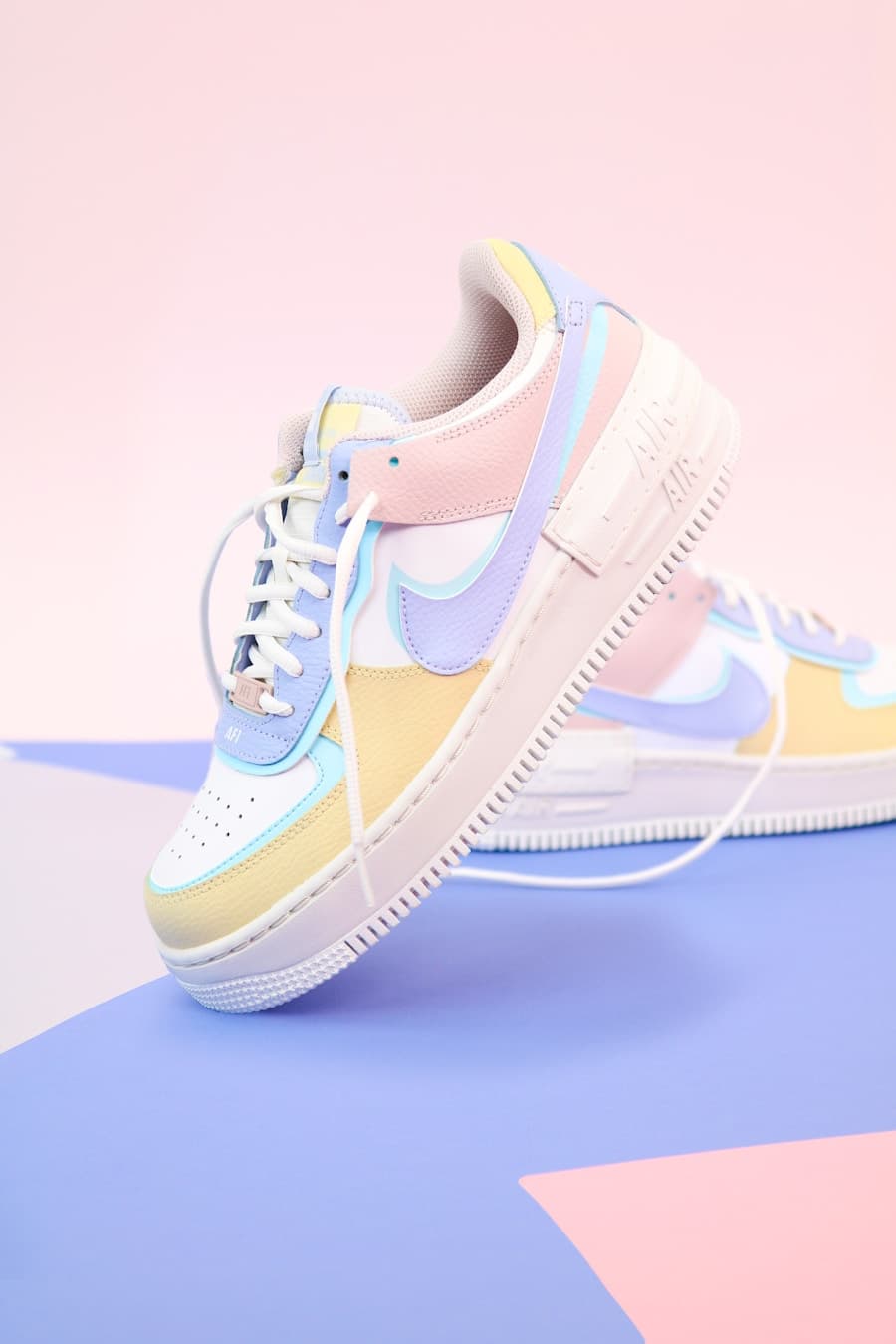
Sneakers & streetwear
Authenticate every drop, from the factory line to the resale floor.
The challenge
Limited drops and hype releases fuel one of the most sophisticated counterfeit markets, with replicas now matching stitching, boxes and even authentication cards. Resale platforms and grey-market sellers compound the problem: a single pair can change hands several times, and buyers paying a premium have no reliable way to confirm the item is the one that left the factory. Brands also face return fraud, where genuine pairs are swapped for fakes before refund.
The SealTrust answer
SealTrust assigns each pair a unique cryptographic identity at production, anchored on-chain so it cannot be cloned or back-dated. Every authentication scan is verifiable by the buyer, and ownership history is recorded across the full lifecycle, including legitimate resale and transfer. The result is a trust layer that follows the product from the factory line through every resale.
- Tamper-evident proof of authenticity verifiable by any buyer in seconds
- Ownership and resale history that cuts grey-market and return fraud
- Direct post-sale channel to engage owners across drops and resale
Digital Product Passport
Footwear is a textile-adjacent category under the EU ESPR, which lists textiles among its priority product groups for the Digital Product Passport. SealTrust delivers a compliant DPP carrying materials, manufacturing origin, care and end-of-life data linked to each pair's unique identity.
Method: QR + NFCWhere : A cryptographic NFC tag in the tongue or insole, or a QR code printed on the inner tongue label or care tag.

03 · Luxury & fashion
Ready-to-Wear & Couture
A verified identity sewn into every garment, from atelier to resale.
The challenge
Ready-to-wear and couture face industrial-grade counterfeiting, with copies entering the same wholesale and online channels as genuine pieces. Care labels and woven tags are easily cloned or swapped, leaving boutiques, clients and a fast-growing resale market unable to confirm authenticity. Grey-market diversion, return fraud and unauthorised reproductions erode both margin and brand equity.
The SealTrust answer
SealTrust assigns each garment a unique cryptographic identity anchored on-chain at the point of manufacture, tied to the maison rather than to a copyable label. A scan confirms authenticity, model, season and ownership history in seconds, while transfers record legitimate resale and expose duplicated identities. Each piece carries a Digital Product Passport covering materials, origin and care across its full lifecycle.
- Instant authentication for boutiques, clients and resale platforms
- Tamper-evident proof that survives returns, repairs and resale
- Verified lifecycle data that supports circularity and second-hand value
Digital Product Passport
Textiles are a priority category under the EU ESPR, with the Digital Product Passport set to make material composition, origin, durability and care instructions mandatory and machine-readable. SealTrust delivers a compliant DPP per garment, ready for regulatory and customer access.
Method: QR + NFCWhere : A discreet NFC tag is integrated into the inner seam, waistband lining or care-label area, with an optional QR on the swing tag or label.
04 · Electronics & EEE
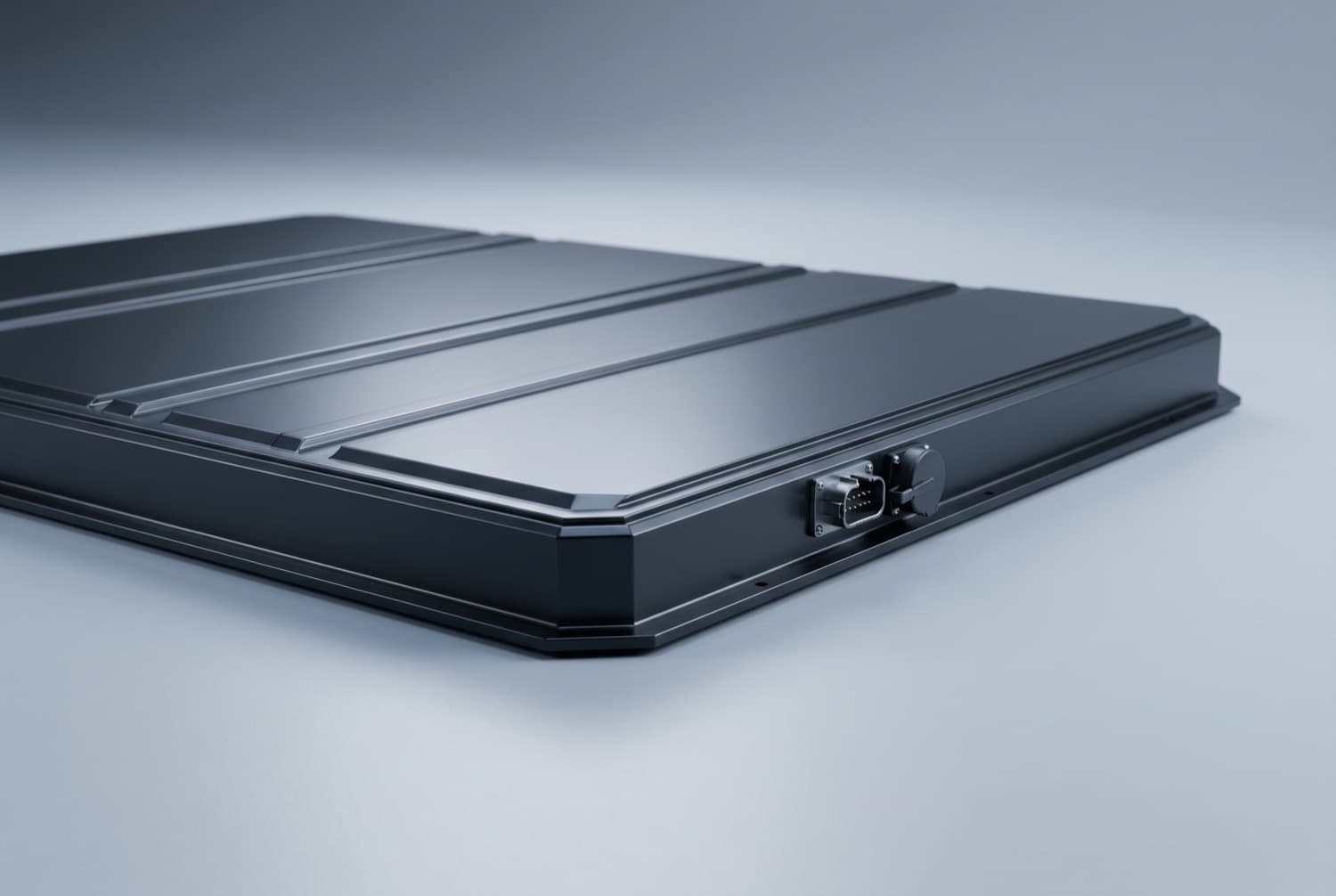
Batteries (EU DPP 2027)
A compliant battery passport and a verifiable identity, from first charge to second life.
The challenge
Battery supply chains span cells, modules and packs sourced across multiple suppliers, where counterfeit or re-labelled cells and falsified capacity ratings create safety and warranty exposure. Grey-market imports and reconditioned packs resold as new are difficult to distinguish, and returns fraud is common when serial numbers cannot be trusted. From February 2027, EV, LMT and industrial batteries above 2 kWh must carry a regulated digital passport, raising the compliance stakes sharply.
The SealTrust answer
SealTrust assigns each battery, module or pack a secure cryptographic identity anchored on-chain, making capacity, chemistry and provenance claims verifiable and tamper-evident. A single scan resolves the regulated battery passport and records each lifecycle event, from manufacture to first use, repair, repurposing and recycling. Authenticity, warranty status and carbon footprint data stay bound to the physical unit across every owner.
- Verifiable cell and pack identity that exposes re-labelling and counterfeit capacity claims
- EU Battery Regulation passport delivered through one scan, audit-ready for 2027
- Lifecycle tracking across first use, repair, second life and recycling
Digital Product Passport
The EU Battery Regulation (2023/1542) mandates a digital battery passport for EV batteries, LMT batteries and industrial batteries above 2 kWh from 18 February 2027, accessible via a QR code carried on the product. SealTrust delivers that passport with state of health, carbon footprint, recycled content and due-diligence data linked to the unit's unique identifier.
Method: QR + NFCWhere : QR code laser-etched or printed directly on the battery casing or pack housing, alongside the regulatory markings.
05 · Electronics & EEE
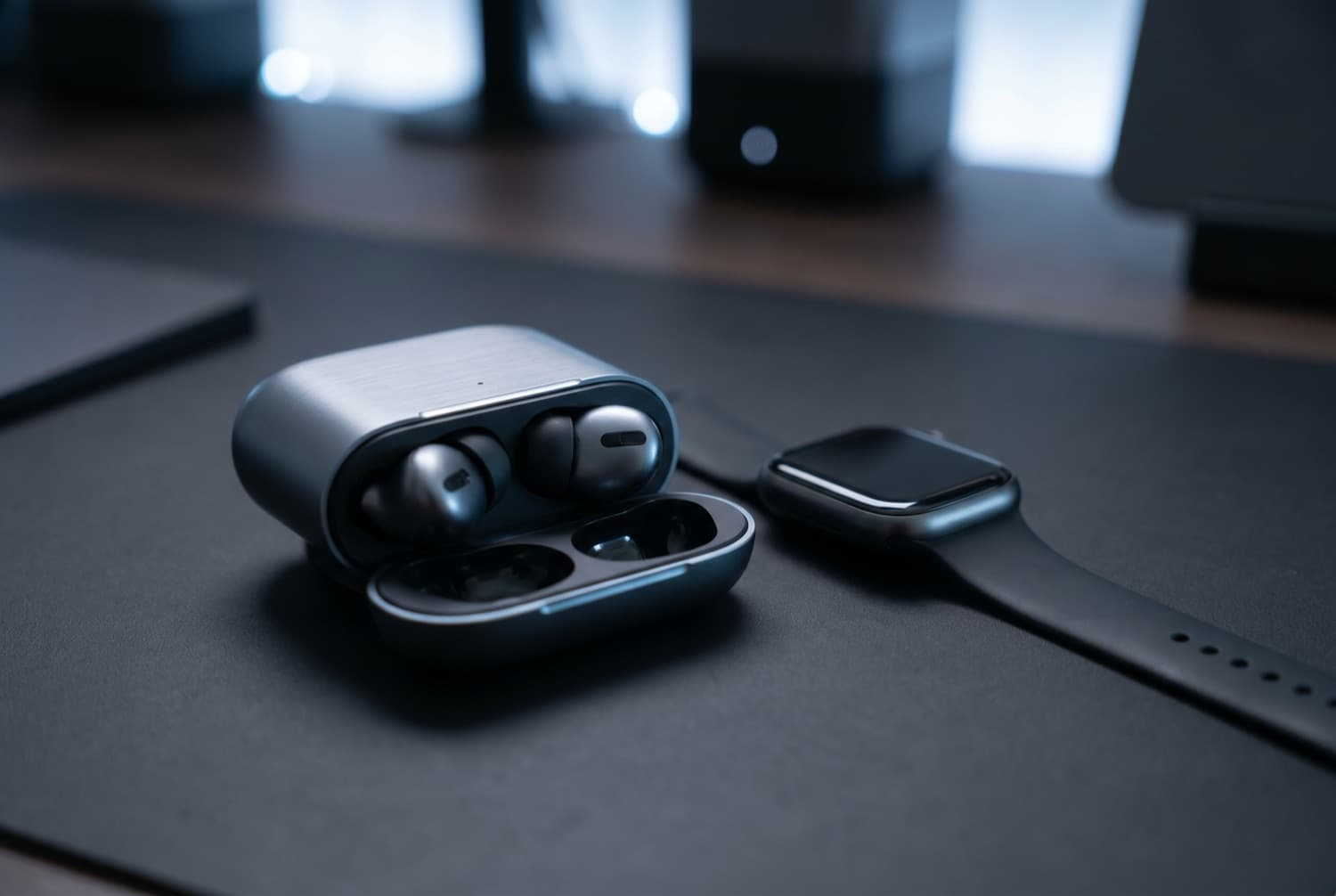
Consumer Electronics
Verified authenticity and a full product passport, from factory to resale.
The challenge
Consumer electronics face heavy counterfeiting across chargers, accessories, audio gear and components, where fakes are sold through marketplaces and grey-market channels that bypass authorised distribution. Buyers cannot distinguish a genuine unit from a convincing clone at the point of purchase, and warranty fraud, return swaps and resale of refurbished-as-new devices erode margins and brand trust. Tight enclosures, small surfaces and high production volumes make secure identity hard to add without slowing the line.
The SealTrust answer
SealTrust gives every device a unique secure identity anchored on-chain, so buyers, retailers and service centres can verify authenticity in seconds with a single scan. The same identity carries a Digital Product Passport covering components, conformity and repair information, and records lifecycle events such as activation, warranty registration, repair and resale. Grey-market units and return swaps become detectable because each item carries a verifiable history.
- Instant authenticity check at purchase, warranty claim and resale
- Grey-market and return-fraud detection through unique on-chain identity
- DPP-ready record of components, conformity and repairability
Digital Product Passport
Electronics is a priority product group under the EU Ecodesign for Sustainable Products Regulation (ESPR), which will require a Digital Product Passport covering materials, conformity, spare-part availability and repairability. SealTrust delivers a compliant, machine-readable passport linked to each device's secure identity.
Method: QR + NFCWhere : Printed QR on the product label, base or packaging; NFC inlay laminated under the label or embedded in the enclosure for premium units.
And many more sectors
The same infrastructure (authentication, ownership transfer and Digital Product Passport) adapts to every vertical, via QR or NFC.
 Luxury & fashion
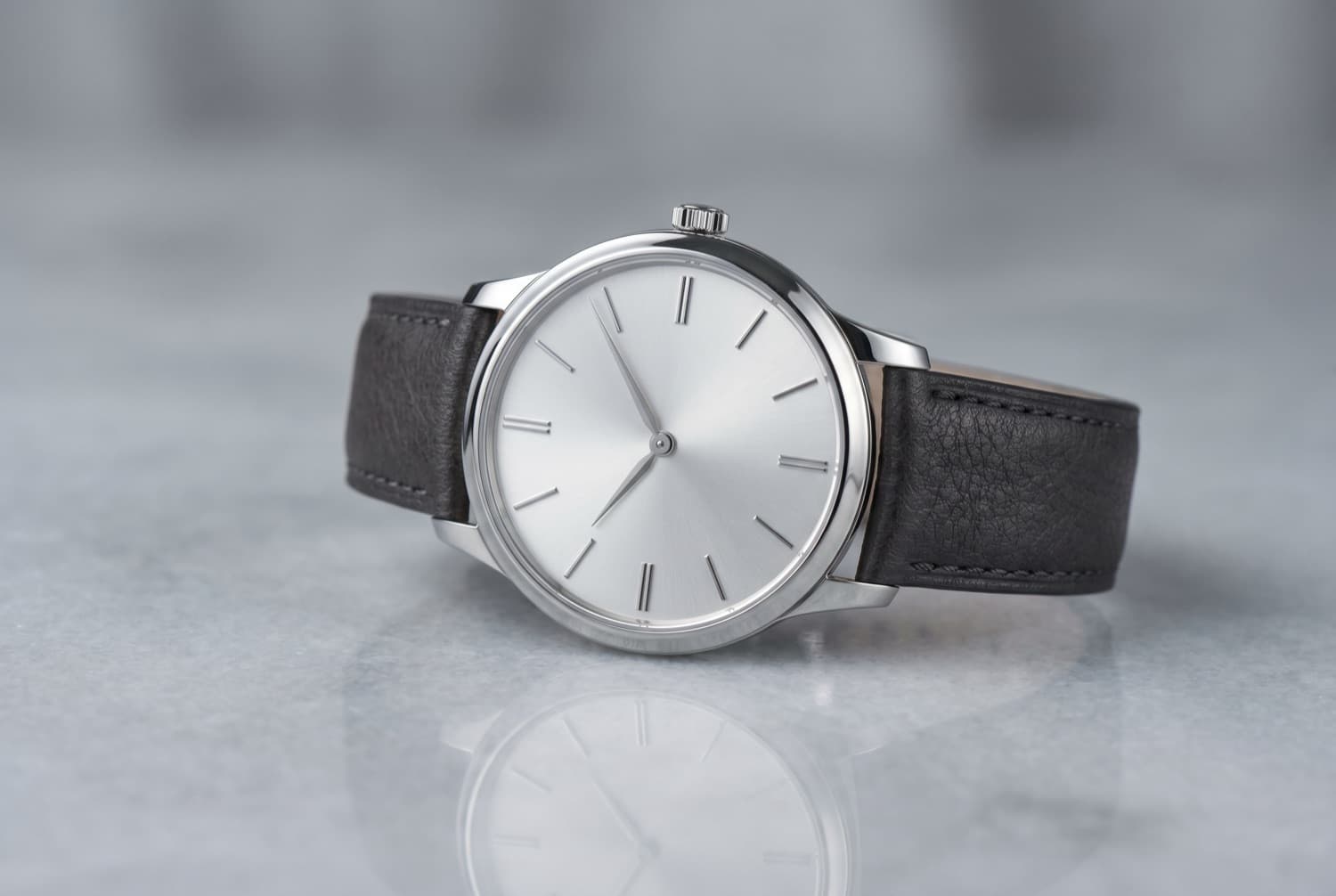
Watches & Jewelry
An unforgeable identity for every timepiece and precious object, from the workshop to the second-hand market.
DPPQR + NFC
 Luxury & fashion
Eyewear
Frame-level proof of authenticity, from the optician's counter to resale.
DPPQR + NFC
 Luxury & fashion
Cosmetics & Fragrance
Authenticity buyers can verify before the first spray.
DPPQR + NFC
 Electronics & EEE
Home Appliances
Verified authenticity and a full service history for every appliance you ship.
DPPQR + NFC
 Electronics & EEE
E-scooters & Micromobility
Verified identity and a full lifecycle record for every scooter, e-bike and its battery.
DPPQR + NFC
 Art & collectibles
Art & Collectibles
Provenance you can prove, value you can defend.
DPPQR + NFC
 Other sectors
Furniture & home
Authenticate every piece and meet upcoming Digital Product Passport requirements.
DPPQR + NFC
 Other sectors
Toys & Childcare
Verified authenticity and traceable safety for products made for children.
DPPQR + NFC
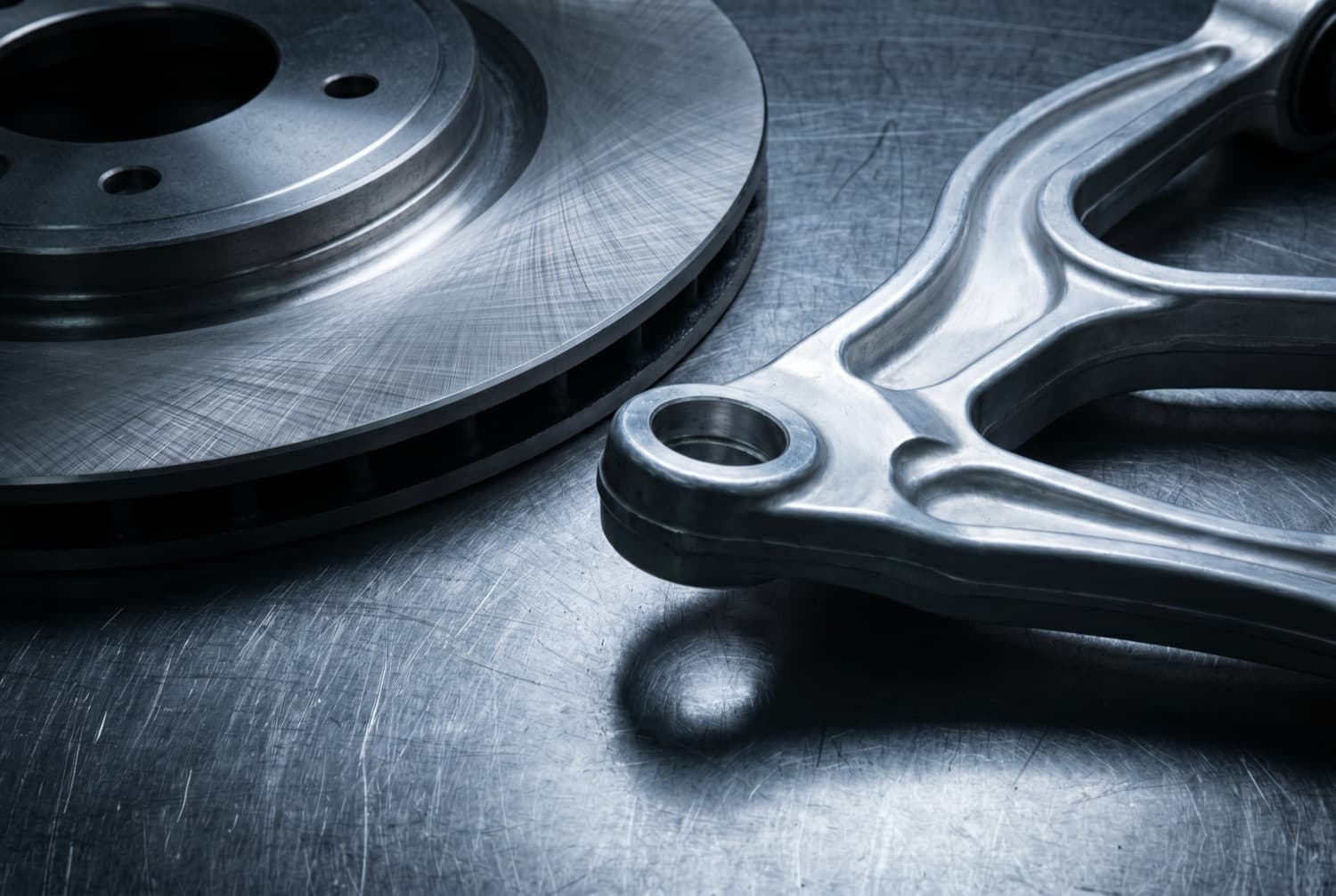 Other sectors
Automotive & spare parts
Authenticate safety-critical parts and trace every component across its life.
DPPQR + NFC
What brands get beyond anti-counterfeiting
Authentication is the starting point. The same infrastructure opens up compliance, resale, and direct customer relationships.
Fewer losses, more trust
According to the EUIPO, exposed brands lose up to 15% of revenue to counterfeiting. Customer-verifiable authentication on every scan reduces that exposure and builds trust at the point of purchase.
Regulatory compliance
Get ahead of European Digital Product Passport (EU DPP) requirements, rolling out category by category from 2027, with an infrastructure that's already ready.
Customer engagement
Create a post-purchase communication channel via NFC scanning: exclusive content, loyalty programs, simplified customer service.
Secondary market
On the secondary market, blockchain-verified provenance supports resale value and reassures buyers. The certificate transfers with the product automatically.
We can run a pilot on one product line in under two weeks. Let's talk about yours.