Demandez à n'importe quel consommateur de moins de 35 ans ce qu'il veut savoir sur les produits qu'il achète, et la réponse est de plus en plus : tout. D'où viennent les matériaux, qui les a fabriqués, dans quelles conditions, quelle est l'empreinte carbone, et peut-il vérifier quoi que ce soit ? Ce changement n'est pas une tendance vouée à s'inverser. Il est renforcé par la réglementation (le passeport numérique de produit de l'UE), par la couverture médiatique des défaillances de chaînes d'approvisionnement et par une prise de conscience croissante que l'opacité dissimule souvent des choses que les consommateurs préféreraient ne pas soutenir.
Pour les marques, cela crée à la fois un défi et une opportunité. Le défi : la plupart des chaînes d'approvisionnement sont opaques, y compris pour les marques elles-mêmes. L'opportunité : les entreprises capables de démontrer une véritable traçabilité de bout en bout instaurent un niveau de confiance presque impossible à concurrencer.
Le problème de l'opacité
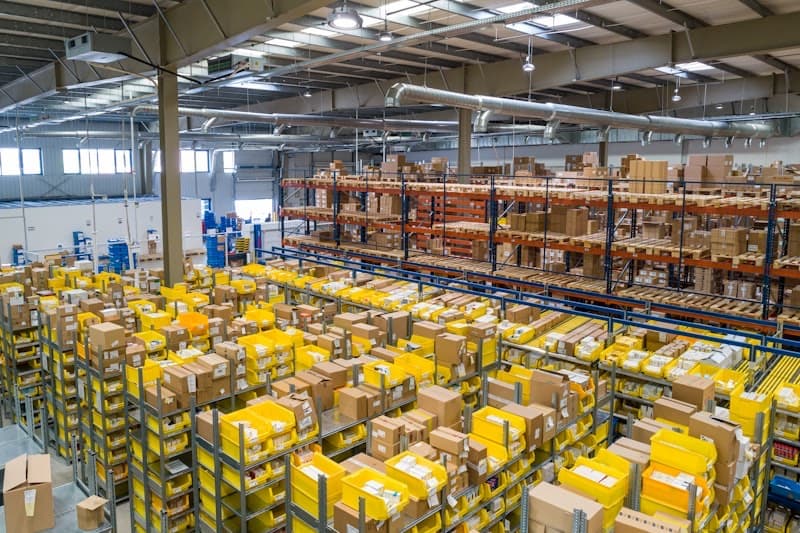
Les chaînes d'approvisionnement modernes sont longues, fragmentées et étonnamment difficiles à suivre de bout en bout. Un article de maroquinerie de luxe classique peut impliquer une tannerie en Italie qui s'approvisionne en peaux brutes en Amérique du Sud, des accessoires métalliques fabriqués en Asie, du fil provenant d'un autre continent et un assemblage réparti entre plusieurs ateliers. À chaque étape, la documentation peut être sur papier, incohérente ou tout simplement absente.
Cette opacité a des conséquences réelles. Quand une marque ne peut vérifier d'où viennent ses matériaux, elle ne peut garantir qu'ils ont été approvisionnés de façon éthique. Quand une marque ne peut suivre un produit de l'usine au rayon, elle ne peut identifier où les contrefaçons s'introduisent dans la chaîne de distribution. Et quand une marque ne peut prouver la provenance à un consommateur, elle demande de la confiance sans fournir de preuve.
La directive européenne de 2024 sur le devoir de vigilance des entreprises en matière de durabilité (CSDDD) et les futures exigences du passeport numérique de produit de l'ESPR sont l'expression réglementaire d'une idée simple : si vous vendez un produit, vous devez pouvoir en démontrer l'historique. L'ère du « faites-nous confiance » touche à sa fin.
À quoi ressemble une traçabilité utile
La vraie traçabilité ne se résume pas à un numéro de série dans une base de données. C'est une chaîne de responsabilité vérifiable, de bout en bout, qui consigne les événements clés à chaque étape du cycle de vie du produit :
Approvisionnement en matières premières. D'où proviennent les matériaux ? Pouvez-vous relier le lot précis de cuir, de coton ou de métal à un fournisseur vérifié ? Existe-t-il des certifications d'approvisionnement éthique, de minerais sans conflit ou de production biologique ?
Fabrication. Quel site l'a fabriqué ? Quand ? Dans quelles conditions ? Des contrôles qualité ont-ils été réalisés, et avec quels résultats ? Le niveau de détail attendu sur la fabrication est fixé par l'acte délégué de chaque groupe de produits, et pour le textile et la maroquinerie aucun n'est publié à ce jour.
Contrôle qualité et certification. Quels tests le produit a-t-il réussis ? Y a-t-il eu des non-conformités ? La documentation de conformité est-elle accessible et vérifiable par les autorités ?
Distribution et logistique. Comment le produit est-il passé de l'usine au point de vente ? Les conditions de stockage (température, humidité) ont-elles été maintenues pour les produits sensibles ? À chaque point de transfert, le produit a-t-il été authentifié ?
Point de vente et transfert de propriété. Quand le produit a-t-il été vendu pour la première fois, et à qui ? Pour les produits qui entrent sur le marché secondaire, la chaîne de propriété est-elle documentée ?
Après-vente et fin de vie. Le produit a-t-il été réparé, reconditionné ou retourné ? Quelles sont les filières de recyclage ou d'élimination ?
Chacune de ces étapes génère des points de données. La question est de savoir si ces points de données sont collectés, s'ils sont fiables et s'ils sont accessibles aux personnes qui en ont besoin.
Pourquoi les approches traditionnelles échouent
La plupart des systèmes de traçabilité actuels reposent sur des bases de données centralisées que chaque entreprise gère pour son compte. Elles présentent des faiblesses prévisibles.
Silos. Chaque acteur de la chaîne d'approvisionnement (fournisseur de matières premières, fabricant, distributeur, détaillant) tient ses propres enregistrements dans son propre format. Faire circuler l'information à travers ces frontières exige des intégrations complexes qui fonctionnent rarement sans accroc en pratique.
Déficits de confiance. Quand une partie contrôle les données, les autres doivent croire qu'elles n'ont pas été modifiées. L'affirmation d'un fabricant selon laquelle un produit a réussi le contrôle qualité ne vaut que par l'intégrité du fabricant. Il n'existe aucun mécanisme de vérification indépendant.
Fragilité. Les bases de données centralisées peuvent être compromises, corrompues ou simplement perdues. Si l'entreprise qui maintient la base fait faillite ou change de système, des années de données de traçabilité peuvent disparaître.
Exclusion du consommateur. Dans la plupart des systèmes actuels, le consommateur final n'a aucun accès aux données de traçabilité. Il voit une étiquette « Made in France » et un nom de marque, mais aucun moyen de vérifier le parcours qu'a suivi ce produit pour lui parvenir.
Comment la blockchain et le NFC y répondent
La blockchain répond au problème de confiance. Comme le registre est distribué et immuable, aucune partie ne peut modifier les enregistrements unilatéralement. Ce qui va sur la chaîne est plus étroit que l'historique entier. On y écrit notamment l'identité du produit à la frappe, ses transferts de propriété, les changements d'état du jeton, dont le gel qui bloque tout transfert quand un exemplaire est déclaré volé, et des racines de Merkle qui engagent en une transaction un lot d'exemplaires frappés ou un lot de versions de passeport publiées. Ancrer une racine prouve que ce contenu existait au plus tard au bloc qui la porte, et n'importe qui peut le revérifier sans passer par les systèmes du fabricant. Les événements de production, eux, sont consignés dans l'historique de cycle de vie du produit.
Le NFC résout le problème de la liaison entre le physique et le numérique. Une puce NFC cryptographique intégrée au produit crée un lien cryptographique entre l'objet physique et son enregistrement sur la blockchain. La cryptographie prouve que la puce est authentique, pas qu'elle est restée sur le bon objet. Le lien entre la puce et le produit se protège par le support : un substrat destructible se déchire si l'on tente de décoller le tag, et le tag cesse alors de répondre.
Ensemble, ils forment un système de traçabilité où l'identité du produit est enregistrée sur la blockchain, où chaque événement de la chaîne d'approvisionnement, notamment la réception des matières premières, la fabrication, le contrôle qualité, l'expédition, la vente au détail, la revente et la réparation, est consigné dans l'historique de cycle de vie du produit, et où le produit physique peut être relié à cet enregistrement par toute personne munie d'un smartphone.
Construire la traçabilité avec SealTrust
La plateforme de SealTrust est conçue pour rendre cela concret, et non théorique. Voici comment cela fonctionne dans un déploiement réel :
Au stade de la fabrication, les puces NFC cryptographiques sont dotées de clés cryptographiques uniques et intégrées aux produits. Chaque enregistrement de puce déclenche l'émission d'un certificat numérique sur la blockchain, créant l'identité numérique du produit. Le document de métadonnées du jeton, épinglé sur IPFS, porte la marque, la catégorie et la méthode d'authentification ; le détail de fabrication (site, date, lot, résultats du contrôle qualité) vit dans le passeport du produit et son historique de cycle de vie.
Tout au long de la distribution, chaque transfert de responsabilité est consigné dans l'historique de cycle de vie du produit, notamment via l'API SealTrust ou un import EPCIS 2.0. Les marques peuvent aussi recevoir une notification par webhook de chaque événement dans leurs propres systèmes.
Au point de vente, la propriété du NFT est transférée à l'acheteur. Aucun portefeuille crypto requis, SealTrust gère la complexité technique derrière une interface simple. Le consommateur peut scanner le produit pour consulter l'intégralité de son historique vérifié.
Sur le marché secondaire, chaque revente est enregistrée. Les acheteurs peuvent vérifier l'authenticité et la provenance avant l'achat. Les marques gagnent en visibilité sur la seconde vie de leurs produits, des données auparavant invisibles.
Pour la conformité, les fonctions d'export de la console SealTrust, ouvertes selon votre offre, produisent un dossier de preuves DPP en PDF pour un modèle de produit ou pour une marque entière, ainsi que l'inventaire des produits, leur cycle de vie et l'historique des vérifications en CSV, XLSX ou PDF.
La valeur concurrentielle de la transparence
Au-delà de la conformité, la traçabilité crée une valeur métier tangible. Les marques à la provenance vérifiable peuvent pratiquer des prix premium : les études montrent régulièrement que les consommateurs paient davantage pour des produits dont l'approvisionnement éthique et les références environnementales sont démontrés. Les produits à l'historique vérifié sur blockchain affichent des valeurs de revente plus élevées sur les marchés secondaires. Et les données générées par les systèmes de traçabilité (répartition géographique des produits, schémas de propriété, fréquence de vérification) alimentent une intelligence métier qui améliore tout, de la gestion des stocks à la stratégie marketing.
Plus important peut-être, dans un marché où le scepticisme des consommateurs envers les allégations de durabilité des entreprises augmente, la traçabilité vérifiable est l'antidote à l'écoblanchiment. Quand une marque peut dire « scannez le produit et vérifiez par vous-même », elle obtient un niveau de confiance qu'aucune campagne marketing ne peut égaler.
Les chaînes d'approvisionnement de demain seront transparentes par défaut. La question n'est pas de savoir si ce changement aura lieu, la réglementation et la demande des consommateurs le rendent inévitable. La question est de savoir quelles marques mèneront la marche et lesquelles se démèneront pour rattraper leur retard.
Vous ne savez pas où se situent vos lacunes de traçabilité ? Nous proposons un audit gratuit des données de chaîne d'approvisionnement qui met en regard ce que vous collectez aujourd'hui et ce que le DPP de l'UE exigera. Comptez environ une semaine. Lancez l'audit.