Le commerce international de produits contrefaits et piratés représente désormais environ 467 milliards de dollars par an, selon le rapport conjoint OCDE/EUIPO Mapping Global Trade in Fakes 2025 (mai 2025, sur des données 2021). Ce chiffre équivaut à 2,3 % du commerce mondial. Ce chiffre ne couvre que le commerce international : les contrefaçons produites et vendues à l'intérieur d'un même pays, ainsi que le piratage numérique, restent hors du périmètre mesuré par ce rapport. Voici l'état des lieux en 2026.
Le panorama mondial
Les saisies douanières ne mesurent pas le flux réel, elles n'en interceptent qu'une partie : ce qui n'est pas arrêté à la frontière parvient au consommateur sans avoir été détecté, et la contrefaçon écoulée sans franchir de frontière échappe entièrement à ce comptage. Les chiffres de saisies sont par ailleurs publiés autorité par autorité, sur des périodes et des périmètres différents, et ne constituent donc pas un total mondial.
Au sein de l'Union européenne, les importations de contrefaçons sont estimées à 99 milliards d'euros, soit 4,7 % des importations de l'UE en provenance du reste du monde (OCDE/EUIPO, Mapping Global Trade in Fakes 2025, sur des données 2021). À l'échelle mondiale, la contrefaçon est responsable d'environ 4,2 millions d'emplois perdus, de 47 milliards d'euros de taxes et de droits non perçus et d'une réduction mesurable de l'investissement en R&D : les entreprises fortement exposées réduisent leurs dépenses d'innovation de 8–14 %, car les copies érodent systématiquement le retour sur investissement.
Les facteurs sont structurels et s'intensifient : des chaînes d'approvisionnement mondialisées au manque de visibilité, l'explosion du commerce électronique transfrontalier, des réseaux criminels toujours plus sophistiqués et des technologies de fabrication (dont l'impression 3D) qui réduisent les obstacles à la reproduction. Dans son évaluation 2025 de la menace que représente la grande criminalité organisée (SOCTA), Europol décrit des réseaux de contrefaçon qui détiennent des sociétés légales, dont des sociétés de messagerie, et s'appuient sur des structures logistiques et financières professionnelles.
Les secteurs les plus touchés
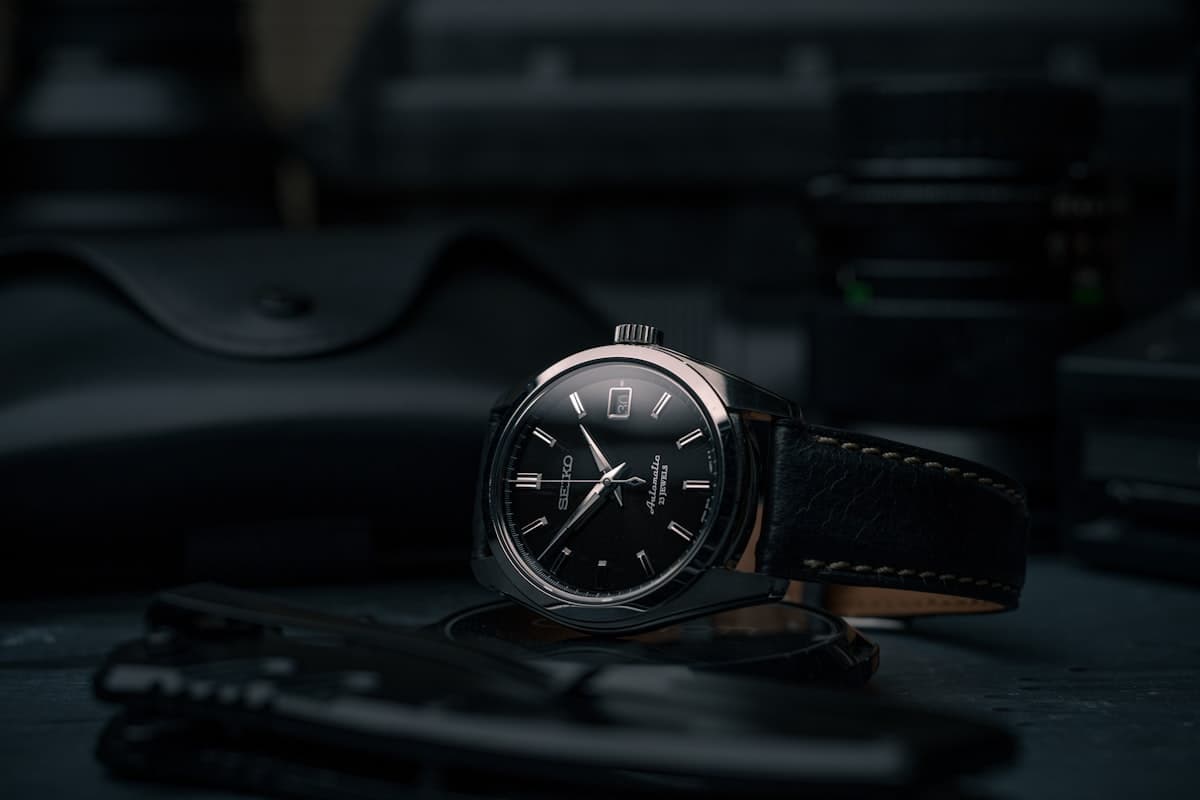
Mode et produits de luxe : plus de 60 % des saisies en valeur. C'est de loin le secteur le plus visé. La maroquinerie, l'habillement, la chaussure, l'horlogerie et les cosmétiques représentent à eux seuls plus de 60 % de la valeur de l'ensemble des saisies douanières internationales (OCDE/EUIPO). Le marché illicite des produits de luxe et de mode contrefaits est estimé à 98 milliards de dollars. La maroquinerie y compte pour 32 % des saisies, l'habillement 22 %, l'horlogerie 18 % et les parfums et cosmétiques 14 %. L'EUIPO estime que les marques de luxe perdent en moyenne 15 % de leur chiffre d'affaires potentiel du fait de la contrefaçon chaque année.
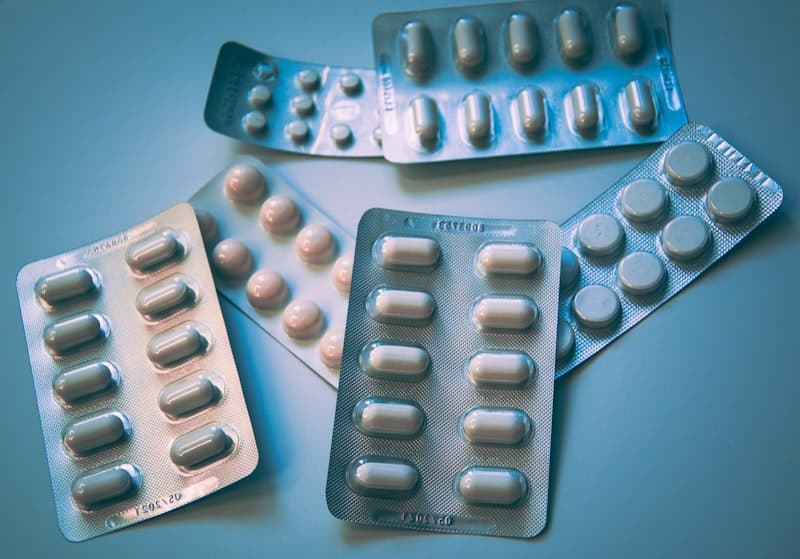
Produits pharmaceutiques : quand le faux tue. L'OMS estime que 10,5 % des produits médicaux en circulation dans les pays à revenu faible ou intermédiaire sont de qualité inférieure ou falsifiés (OMS, « A Study on the Public Health and Socioeconomic Impact of Substandard and Falsified Medical Products », 2017). L'OMS parle bien de produits « de qualité inférieure ou falsifiés », et non de contrefaçon, terme qui relève du droit des marques. Le préjudice n'est pas seulement commercial : un antipaludique ou un antibiotique sous-dosé est indiscernable de l'authentique et fait défaut au moment précis où le patient en dépend.
Électronique : le segment qui croît le plus vite. Les composants électroniques contrefaits (semi-conducteurs, condensateurs, batteries, chargeurs) représentent désormais 24 % des saisies mondiales en volume. Les fausses batteries et les faux chargeurs provoquent chaque année des milliers d'incendies et de pannes d'équipement.
L'essor des « super contrefaçons »
La tendance la plus préoccupante de ces trois dernières années est sans doute l'apparition des « super contrefaçons » : des produits fabriqués avec une telle précision que même des experts en authentification chevronnés ne parviennent parfois pas à les distinguer des originaux. Les super contrefaçons des modèles phares d'Hermès, Chanel et Louis Vuitton reproduisent désormais les motifs de couture à la main, la régularité de la peinture des tranches, le poids des pièces métalliques et la précision des estampilles intérieures. Certaines emploieraient un cuir véritable d'une qualité comparable, sans que nous disposions d'une source sur sa provenance.
Les authentificateurs font état de taux d'incertitude croissants, c'est-à-dire de cas où l'inspection visuelle seule ne permet pas d'aboutir à un verdict fiable. Une super contrefaçon de Birkin, dont la production coûte 200 $, se revend entre 1 500 et 3 000 $ sur le marché secondaire, à des acheteurs persuadés d'acquérir un sac authentique à prix réduit. Ces marges attirent des investissements dans une fabrication toujours plus aboutie et alimentent une surenchère que les méthodes d'authentification visuelle sont en train de perdre.
L'implication est claire : l'authentification doit passer de l'inspection sensorielle à la preuve cryptographique. Lorsque la copie est indiscernable de l'original à l'œil nu, la seule vérification fiable est celle qui ne repose pas du tout sur la vue.
Le problème des places de marché
Le commerce électronique est devenu le principal canal de distribution des contrefaçons. Les places de marché, les réseaux sociaux et les messageries en portent aujourd'hui une large part, et l'acheteur croit le plus souvent acheter un produit authentique.
Le commerce social a particulièrement accéléré le phénomène. Les contrefacteurs exploitent les algorithmes de recommandation d'Instagram, TikTok et Pinterest pour cibler les consommateurs avec des publicités soignées vantant de faux produits. La vente en livestream, très populaire en Asie, est devenue un canal à part entière.
Même les plateformes qui investissent massivement dans la lutte anticontrefaçon peinent à suivre le rythme : de nouvelles annonces frauduleuses sont créées plus vite que la détection assistée par IA ne parvient à les retirer. Le basculement vers les petits colis complique encore l'action des autorités : la majorité des saisies douanières portent sur des envois postaux ou express (OCDE/EUIPO, Mapping Global Trade in Fakes 2025, sur des données 2021). L'expédition de millions de petits colis, où les contrefaçons se dissimulent parmi des commandes légitimes, sature les capacités de contrôle.
L'impact sur les PME du luxe
Les grands conglomérats du luxe (LVMH, Kering, Richemont) disposent d'équipes anticontrefaçon dédiées, de budgets juridiques de plusieurs dizaines de millions d'euros et d'une taille suffisante pour absorber les pertes tout en investissant dans des contre-mesures technologiques. Les marques indépendantes et émergentes, non.
Pour une PME du luxe réalisant un chiffre d'affaires annuel de 5 à 50 millions d'euros, la contrefaçon est une menace existentielle, et pas seulement une perte comptable. L'équation économique est brutale : les actions judiciaires dans les principaux pays sources coûtent de 50 000 à 200 000 euros par campagne, pour des résultats incertains. Les demandes de retrait auprès des places de marché mobilisent du personnel et des ressources juridiques dédiés. Chaque vente de contrefaçon ne fait pas que détourner du chiffre d'affaires : elle dégrade la perception de la marque, car l'acheteur qui reçoit une copie de mauvaise qualité associe cette expérience à la marque, et non au contrefacteur.
Les travaux de l'EUIPO montrent que les PME sont touchées de façon disproportionnée : alors que les grandes entreprises perdent environ 10 % de leur chiffre d'affaires à cause de la contrefaçon, les PME des secteurs exposés en perdent jusqu'à 22 %. Pour une marque qui investit dans un savoir-faire artisanal, des matériaux haut de gamme et la construction de son image, voir cet investissement systématiquement copié est à la fois économiquement préjudiciable et profondément éprouvant.
L'authentification technologique, qui consiste à intégrer une identité cryptographique dans chaque produit dès la fabrication, rééquilibre les forces. SealTrust offre à un atelier de dix personnes la même protection anticontrefaçon qu'à un conglomérat mondial, sans aucune infrastructure interne à construire ni à exploiter.
Comment la technologie riposte
Les outils traditionnels (hologrammes, étiquettes de sécurité, certificats papier, QR codes statiques) n'ont pas réussi à contenir le problème. Chacun peut être reproduit visuellement avec suffisamment d'efforts, et aucun ne permet au consommateur final de vérifier l'authenticité de manière autonome. La réponse technologique s'est structurée autour de trois capacités :
NFC cryptographique (NTAG 424 DNA). Une authentification au niveau matériel qui génère une réponse unique et chiffrée à chaque scan par smartphone. Le moteur cryptographique AES-128 de la puce, son protocole de messagerie dynamique sécurisée et son compteur anti-rejeu rendent la puce résistante au clonage. Contrairement aux éléments de sécurité visuels, le NFC cryptographique ne peut être déjoué par une fabrication plus soignée : sa sécurité est mathématique, et non matérielle.
Blockchain. Un registre immuable et décentralisé qui enregistre la provenance complète de chaque produit, de la fabrication jusqu'à chaque vente, revente, réparation et vérification. Aucun acteur ne peut modifier seul cet enregistrement. L'historique du produit est transparent, permanent et vérifiable publiquement.
Détection assistée par IA. Des modèles d'apprentissage automatique entraînés sur des données de produits authentiques et contrefaits peuvent signaler des annonces suspectes sur les places de marché, repérer des schémas de contrefaçon dans les données de scan et appuyer l'authentification visuelle pour les catégories où l'inspection physique reste pertinente. L'IA constitue un complément puissant à l'authentification matérielle, sans pouvoir la remplacer : les super contrefaçons qui trompent les experts humains trompent tout autant les modèles d'IA visuelle.
L'approche la plus efficace combine les trois. SealTrust apporte les deux premières dans une plateforme unique : le NFC cryptographique lie l'objet physique à une identité résistante au clonage, et les enregistrements produit sont ancrés publiquement sur Base.
Protégez vos produits
En 2026, la contrefaçon n'est pas un risque secondaire. C'est une industrie mondiale de 467 milliards de dollars qui croît, se professionnalise et cible de plus en plus les canaux en ligne, là où l'action des autorités est la plus faible. Les super contrefaçons ont rendu l'authentification visuelle peu fiable. Le passeport numérique de produit de l'UE fera de l'identité produit vérifiable une obligation légale. Et pour les PME du luxe, l'enjeu est existentiel.
Les organisations qui investissent aujourd'hui dans une authentification technologique solide ne se contentent pas de protéger leur chiffre d'affaires : elles construisent un avantage concurrentiel durable, fondé sur une confiance vérifiable.
Prêt à protéger vos produits ? Contactez SealTrust pour une démonstration adaptée à votre marque et à vos catégories de produits. Découvrez comment l'authentification NFC + blockchain fonctionne sur un produit réel, en moins de deux secondes.
Sources : OCDE/EUIPO, « Mapping Global Trade in Fakes 2025 » (mai 2025, données 2021) ; EUIPO, « 2024 Status Report on IPR Infringement » ; OMS, « A Study on the Public Health and Socioeconomic Impact of Substandard and Falsified Medical Products » (2017) ; Europol, SOCTA 2025 ; Chambre de commerce internationale, Global Economic Impact of Counterfeiting and Piracy.